State-Regulated Mobile Tournaments Fuse Spinning Mechanics with Strategic Card Play
Elena Peters · Oct 10, 2026
State-Regulated Mobile Tournaments Fuse Spinning Mechanics with Strategic Card Play
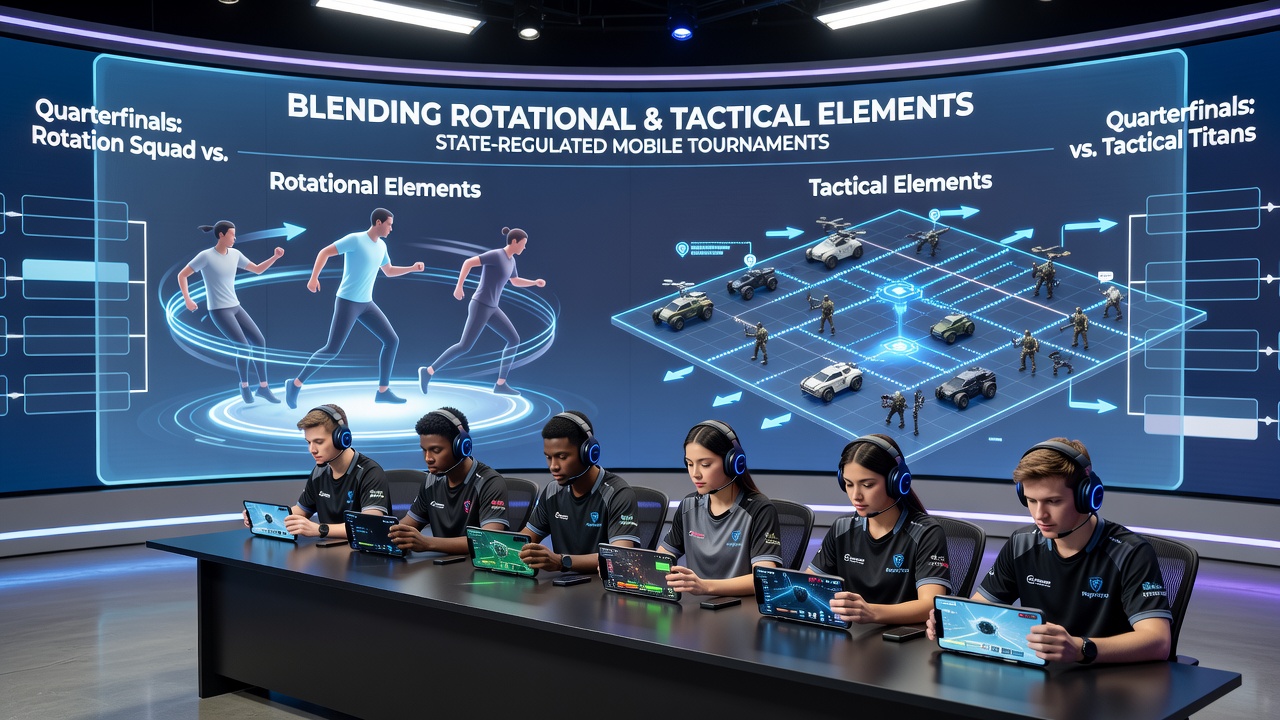
State-regulated mobile tournaments now merge spinning reel sequences with layered decision trees drawn from card games, creating sessions where random outcomes feed directly into calculated choices that affect final standings. Regulatory frameworks in multiple jurisdictions require clear separation between chance-based elements and skill components, which forces developers to structure events so that rotational phases set parameters for subsequent tactical rounds while maintaining compliance with payout disclosure rules.
Regulatory Foundations Shape Hybrid Formats
Officials in New Jersey require operators to submit detailed probability models that separate reel outcomes from player-driven selections, and similar oversight appears in other states where mobile platforms must log every transition between rotational and strategic segments. Data from the New Jersey Division of Gaming Enforcement shows that approved hybrids must display real-time odds updates whenever a spinning phase concludes and tactical options open. These requirements emerged after 2024 rule revisions that addressed combined game types, and by October 2026 several additional states had adopted comparable standards that reference teh original New Jersey templates.
Operators respond by embedding audit trails that record each reel stop alongside the strategic inputs that follow, allowing regulators to verify that no mechanical advantage crosses between the two layers. Research from the University of Nevada, Las Vegas International Gaming Institute indicates that such logging increases development time by roughly 30 percent yet reduces post-launch compliance adjustments.
Technical Integration Patterns Observed Across Platforms
Developers program spinning phases to generate modifiers that alter card probabilities or hand rankings in the tactical portion, and this linkage keeps participants engaged through the full duration of each bracket. One common structure places three to five reel spins at the start of every round, after which accumulated multipliers or wild substitutions carry forward into a video poker resolution where players select hold or discard actions. The carry-over values appear in on-screen meters that update automatically, removing any need for manual calculation while preserving regulatory transparency.
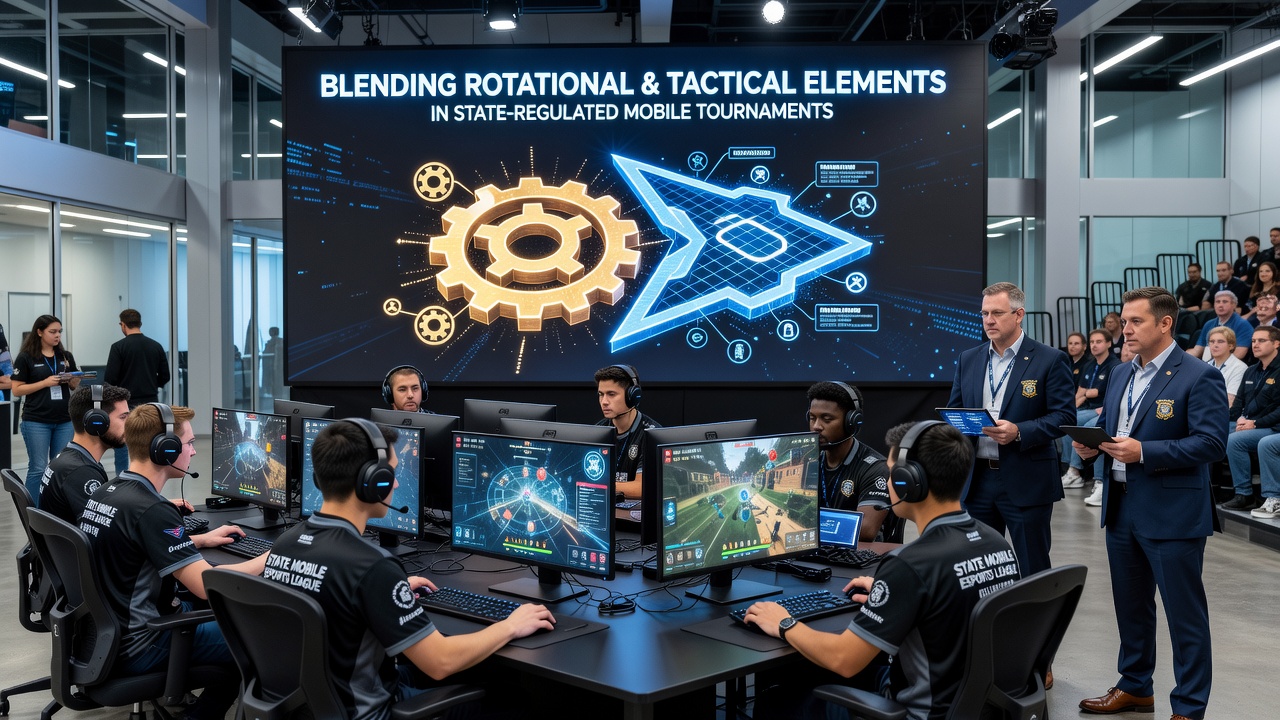
Payment processing systems further influence how these blended events unfold because deposit methods often determine entry fee tiers that unlock additional reel modifiers or extra decision windows. Studies compiled by the Alcohol and Gaming Commission of Ontario document that platforms offering multiple funding channels record higher completion rates in mixed-format brackets, since participants can adjust stake levels without exiting the application. Tournament software therefore routes payment confirmations into the same backend that manages spin-to-tactic transitions, ensuring that entry variations align with the same audit requirements applied to pure chance or pure skill events.
Player Retention Data and Format Adjustments
Retention metrics collected through October 2026 reveal that sessions incorporating both rotational and tactical stages maintain active user counts 18 percent longer than single-mechanic alternatives, according to aggregated reports shared among state-licensed operators. The pattern holds across different age cohorts, although younger participants show stronger preference for faster reel cycles that feed into shorter decision windows. Platform analytics track these preferences through heat maps that highlight which transition points produce the highest continuation rates, allowing designers to fine-tune timing without altering core regulatory compliance.
Case examples from West Virginia and Michigan illustrate how operators adjust reel frequency based on observed drop-off points while preserving the tactical depth that distinguishes these events from standard slot tournaments. In one documented instance, shortening the spinning segment by a single rotation increased overall bracket completions without triggering additional regulatory review because the change stayed within pre-approved probability bands.
Future Development Directions Under Current Rules
Industry observers note that upcoming updates scheduled for late 2026 focus on standardizing how live dealer elements interface with the existing spin-and-tactic framework, particularly in jurisdictions that already permit combined mobile formats. Proposed guidelines emphasize consistent display of regulatory identifiers across all three layers so that participants can instantly recognize which segments fall under chance rules and which involve skill-based selections. Testing environments in several states now require parallel simulations that run identical bracket structures under both current and draft regulations to measure any variance in completion times or payout distributions.
These preparations continue alongside hardware optimizations that reduce latency between reel results and tactical prompts, ensuring mobile connections remain stable even during peak tournament hours. Data collected through the first three quarters of 2026 shows that average session lengths have stabilized as these technical refinements take effect, suggesting the hybrid model has reached a workable equilibrium under prevailing state oversight.
Conclusion
State-regulated mobile tournaments continue to evolve by embedding spinning mechanics inside tactical frameworks that satisfy both player engagement goals and compliance mandates. The integration relies on precise logging, transparent probability displays, and payment systems that scale entry options without disrupting regulatory continuity. As additional jurisdictions align their rules with established models, the same structural patterns are expected to appear across more platforms while maintaining the separation between chance and skill components that defines these events.